

Remediation to rectify weaknesses in internal procedures and controls often takes place following an investigation. Remediation is frequently voluntary as well-managed companies typically wish to address identified compliance risks, and remediation measures are also seen by enforcement authorities as an important step in resolving investigations.
Remedial actions vary from case to case but should follow a few important principles.
- Act swiftly and proactively
- Identify the root cause of the problem and develop a plan to address it
- Take measures that are reasoned and readily explainable
- Consider if there has been any harm to third parties, and how it can be remedied
- Create a communications plan
Common Remediation Measures
While remediation is not one-size-fits-all, its remit should not be drawn too narrowly. If an investigation identifies risks that might extend across a number of company departments or business lines, remediation should encompass all those areas, not just the department where the issue emerged.
Common steps include:
- Taking immediate steps to halt any continuing misconduct
- Systemic changes to procedures
- Putting in place stronger controls and improving risk management
- Additional staff training
- Disciplinary action, where appropriate
- Compensation for third-party losses
The Benefits of Remediation
Steps taken to fix wrongdoing can result in lower penalties or agreements not to prosecute a company. When combined with self-reporting, voluntary and swift remediation can play a decisive role in persuading an authority that enforcement action is not required.

In the UK, both the Financial Conduct Authority (FCA) and the Serious Fraud Office (SFO) will consider remediation measures when deciding whether or not to take enforcement action against a company. Where action is taken, both the FCA and SFO recognize that effective remediation is relevant to the sanction that is imposed. Conversely, they may seek tougher sanctions on companies that don’t appear to be doing enough to address issues.
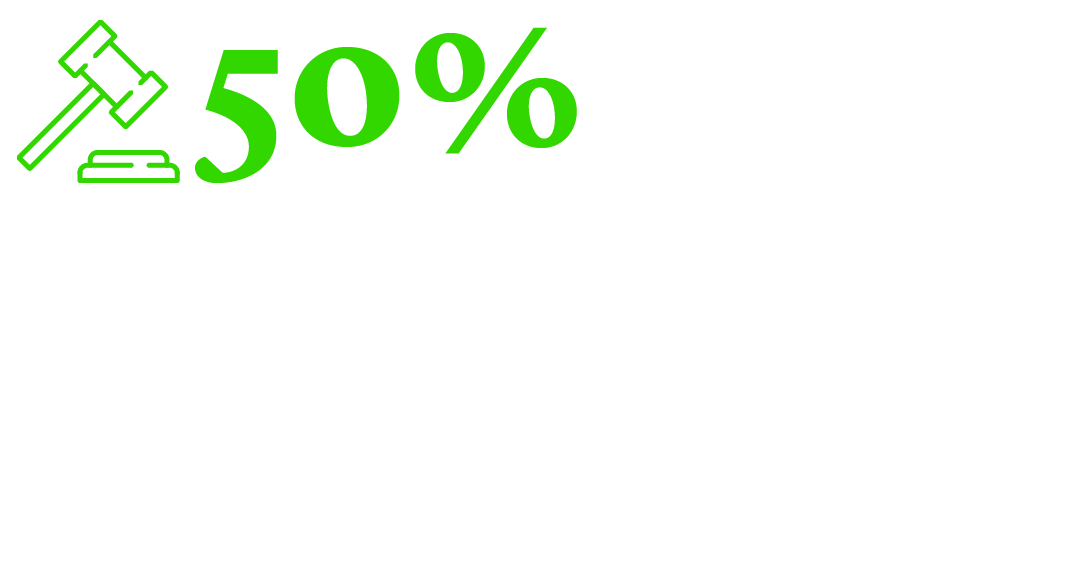
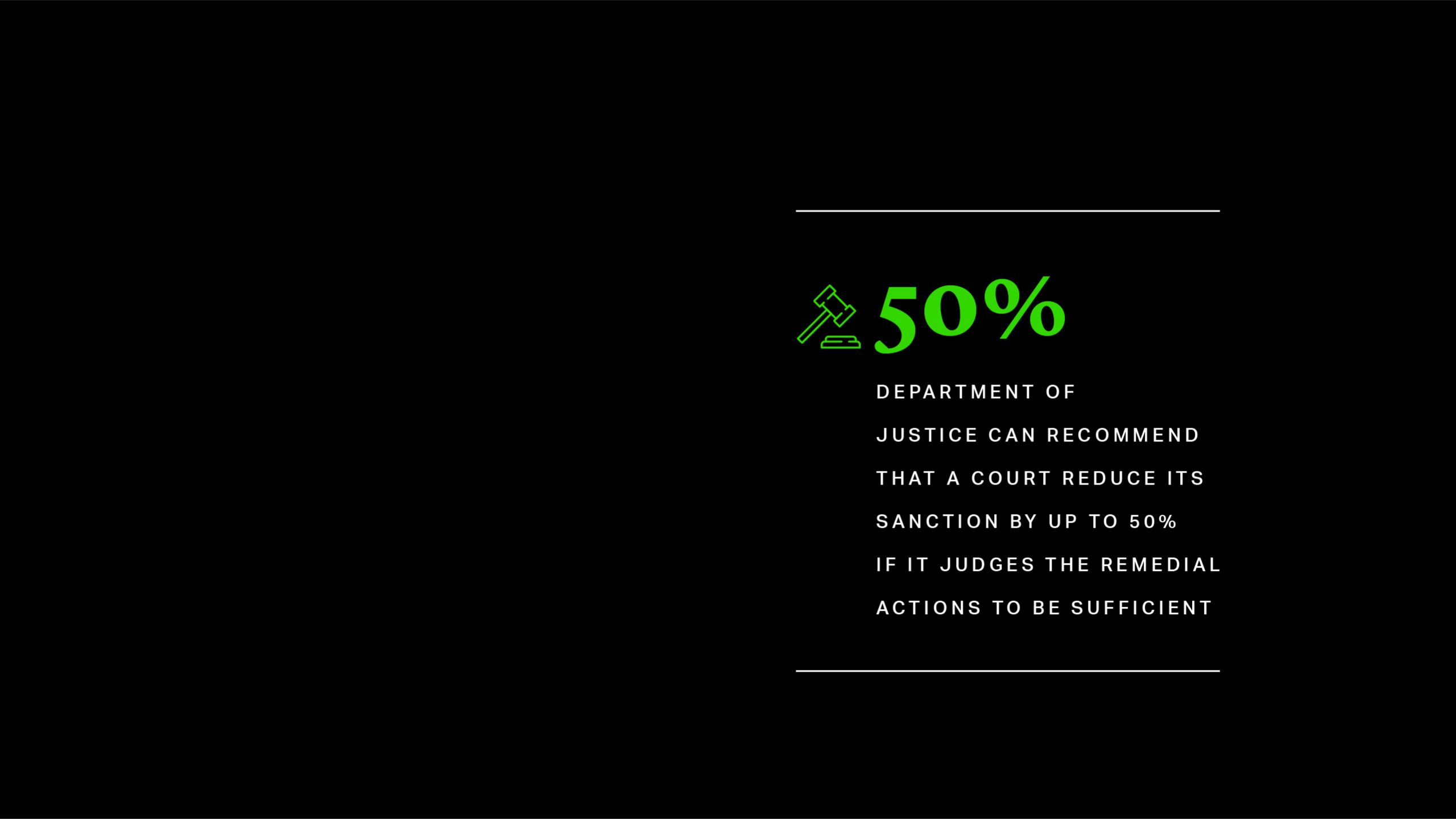
U.S. authorities also incentivize remediation by giving companies credit for steps taken following company wrongdoing. For instance, the Department of Justice can recommend that a court reduce its sanction by up to 50% if it judges the remedial actions to be sufficient. Meanwhile, the Securities & Exchange Commission (SEC) counts remediation among the measures which might lead it to reduce its penalties. Similarly, the Commodity Futures Trading Commission (CFTC) and the Financial Industry Regulatory Authority (FINRA) will also take remedial measures into account when considering their penalties.



The Benefits of Remediation
Steps taken to fix wrongdoing can result in lower penalties or agreements not to prosecute a company. When combined with self-reporting, voluntary and swift remediation can play a decisive role in persuading an authority that enforcement action is not required.
In the UK, both the Financial Conduct Authority (FCA) and the Serious Fraud Office (SFO) will consider remediation measures when deciding whether or not to take enforcement action against a company. Where action is taken, both the FCA and SFO recognize that effective remediation is relevant to the sanction that is imposed. Conversely, they may seek tougher sanctions on companies that don’t appear to be doing enough to address issues.
U.S. authorities also incentivize remediation by giving companies credit for steps taken following company wrongdoing. For instance, the Department of Justice can recommend that a court reduce its sanction by up to 50% if it judges the remedial actions to be sufficient. Meanwhile, the Securities & Exchange Commission (SEC) counts remediation among the measures which might lead it to reduce its penalties. Similarly, the Commodity Futures Trading Commission (CFTC) and the Financial Industry Regulatory Authority (FINRA) will also take remedial measures into account when considering their penalties.




Jennifer Kennedy Park
Partner
New York
T: +1 212 225 2357
jkpark@cgsh.com
V-Card

James Norris-Jones
Partner
London
T: +44 20 7614 2336
jnorrisjones@cgsh.com
V-Card

Nowell D. Bamberger
Partner
Washington, D.C.
T: +1 202 974 1752
Hong Kong
T: +852 2532 3785
nbamberger@cgsh.com
V-Card

 Built with Shorthand